Cannoli: Sicily’s Sweet Invitation to Linger
There is a particular kind of happiness in the first bite of a cannolo: the shell gives a little crack, the filling is cool and sweet, and suddenly nobody is in quite such a hurry to leave the table.
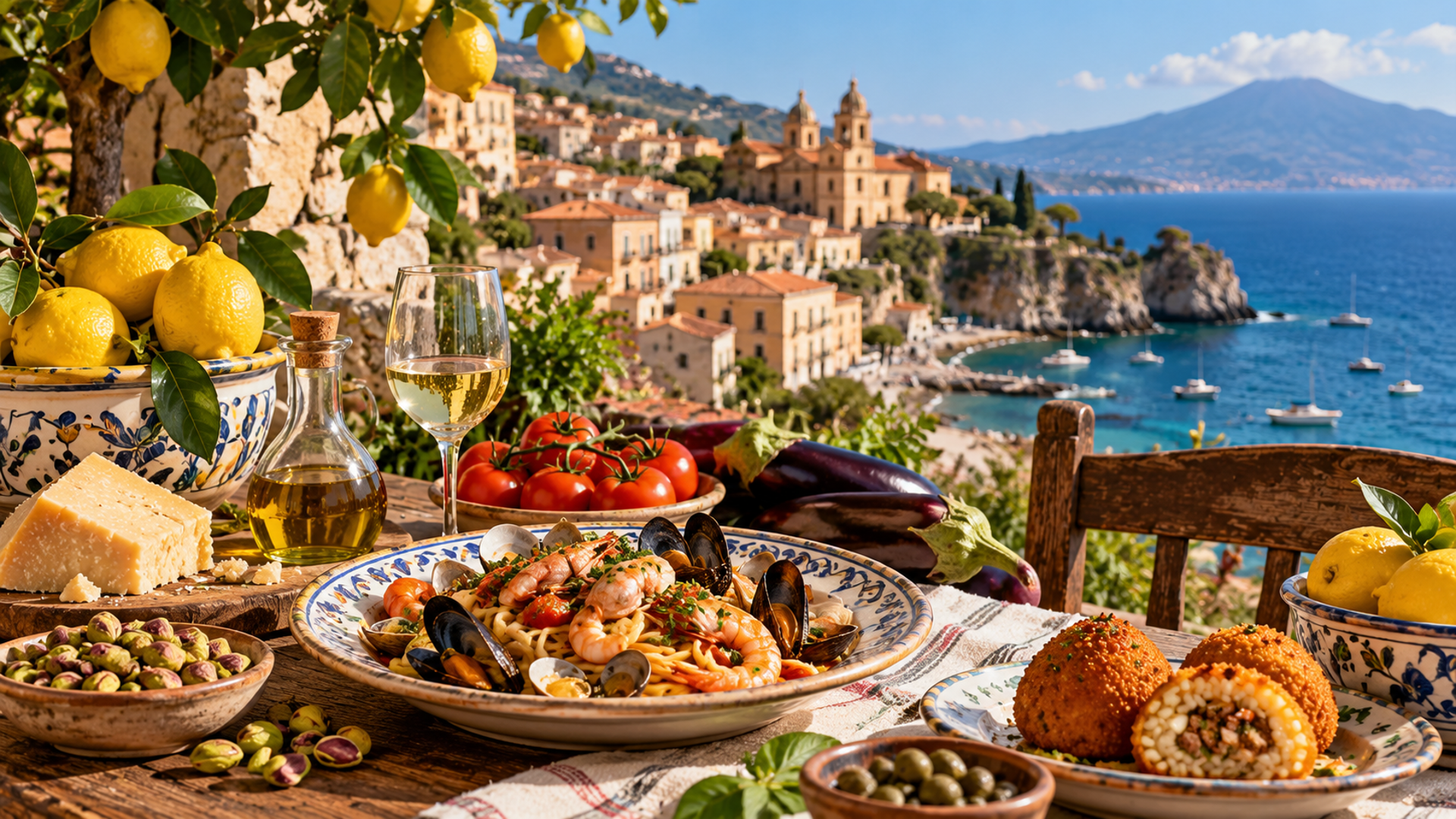
Yesterday we visited western Sicily through Marsala wine. Today, we are staying on the island for dessert.
Cannoli have deep Sicilian roots. Western Sicily’s tourism district connects their name to the river reeds once used to shape the shells and describes a tradition probably associated with Carnival. Their exact beginnings are less certain than the colorful legends suggest.
The ingredients tell a clearer story. Its traditional preparation uses a thin, fried shell and well-drained sheep’s-milk ricotta sweetened with sugar. Pistachios, candied fruit and sometimes chocolate appear in the Sicilian tradition.
That last detail is worth remembering. Chocolate in a cannolo is not automatically an American addition.
Across the Atlantic, Italian pastry became part of neighborhood life. Mike’s Pastry, founded in Boston’s North End in 1946, is one documented example of an Italian bakery building an enduring American tradition around cannoli.
And adaptation does not always mean replacing an unavailable ingredient. Sometimes it means changing the shape of a familiar pleasure.
On Lidia Bastianich’s website, chef Fortunato Nicotra’s “Open Cannolo” stacks fried pastry rounds with ricotta, chocolate, candied orange and pistachios. Created during his work in Sicily and served at New York’s Felidia, it shows an Italian idea taking a new form and finding an American audience.
A different presentation; a recognizable conversation between crisp pastry and soft filling.
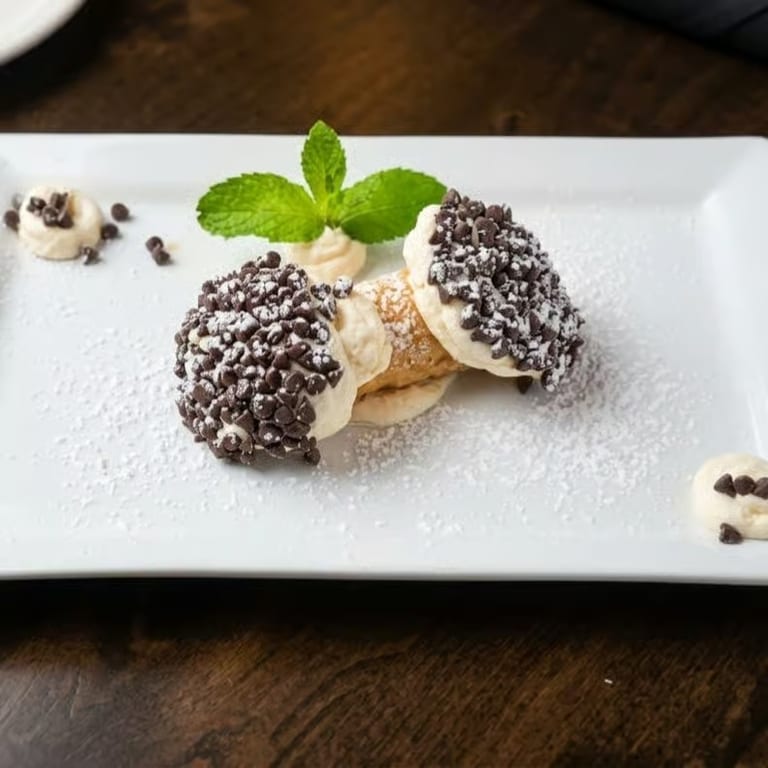
At Villaggio’s Ristorante Italiano in Lutz, our Cannoli offers a sweet place to continue that conversation. The photograph is our actual dessert, with chocolate chips at the ends and a dusting of powdered sugar.
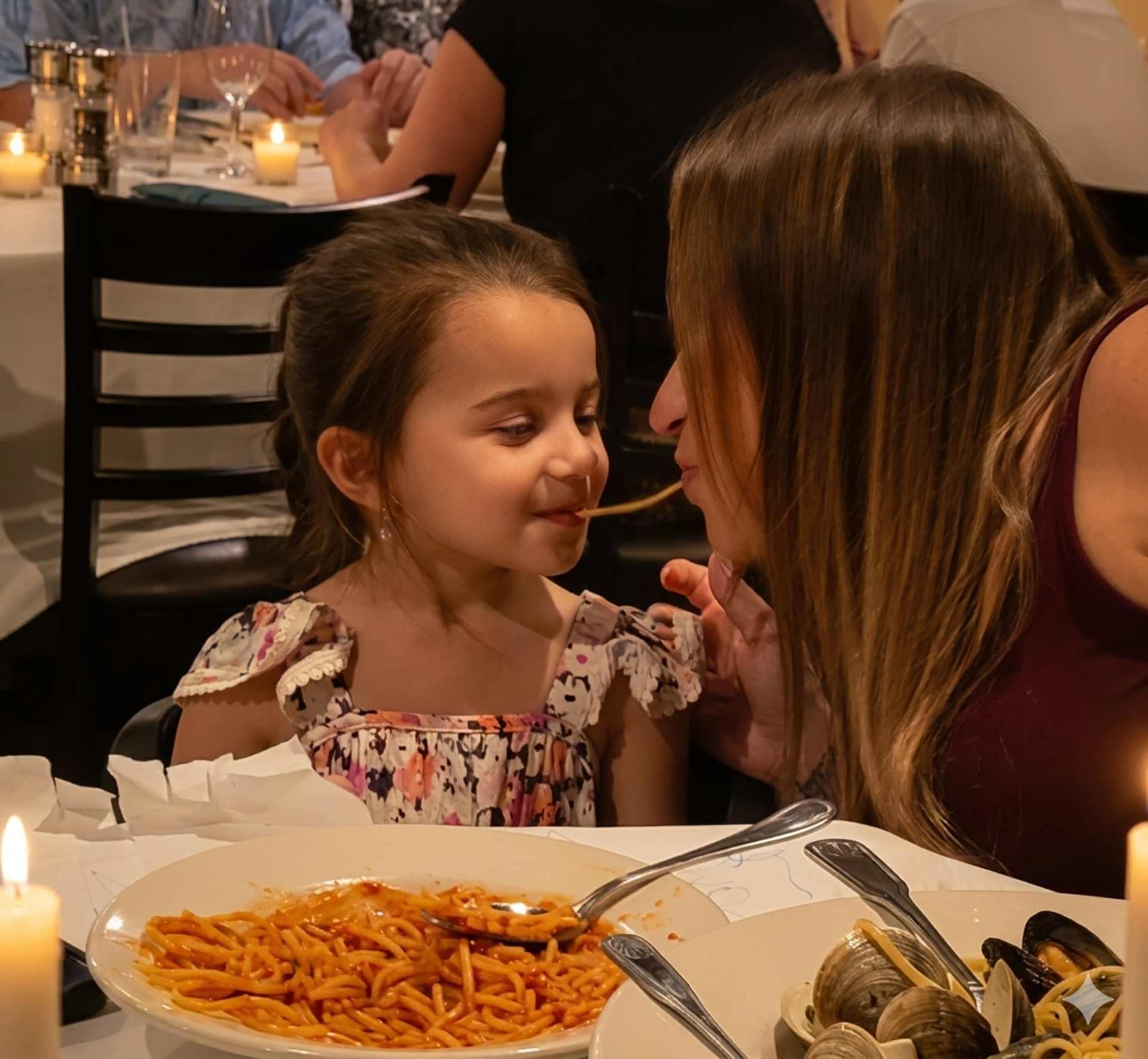
I like a dessert that gives dinner a little more time. The plates from the main course are gone, the conversation settles in, and something sweet arrives between the people who came to share a meal.
Sicily gave the world a remarkable pastry. At our table, it gives us one more reason to linger.